
Membrane Bioreactor (MBR) technology is a modern method for the treatment and reuse of wastewater. It combines membrane separation technology with biological wastewater treatment processes, significantly enhancing the efficiency of conventional methods. Also known as the membrane-activated sludge process, MBR technology integrates a membrane separation unit (MBR membrane) that retains activated sludge and macromolecular organic substances within the biochemical reaction tank. This increases the concentration of activated sludge and accelerates the decomposition of wastewater.
The membrane’s high filtration accuracy ensures a clean effluent, free from suspended solids, eliminating the need for a secondary sedimentation tank and greatly improving the system’s solid-liquid separation efficiency.

Containerized MBR Unit
Dissolved Air Flotation (DAF) system is an advanced technology designed for the pretreatment of wastewater before it enters the aeration tanks. Its primary goal is the removal of suspended solids, fats, and oils, the reduction of COD and BOD levels, and the overall decrease of the organic load transferred to the next stage of biological treatment.
DAF systems operate by dissolving air under pressure into water. When released, the air forms fine microbubbles that attach to suspended particles, lifting them to the surface, where they are mechanically removed. The treated water is then filtered to achieve high clarity, while part of it is recirculated and mixed with additional dissolved air to generate new bubbles for continuous operation.
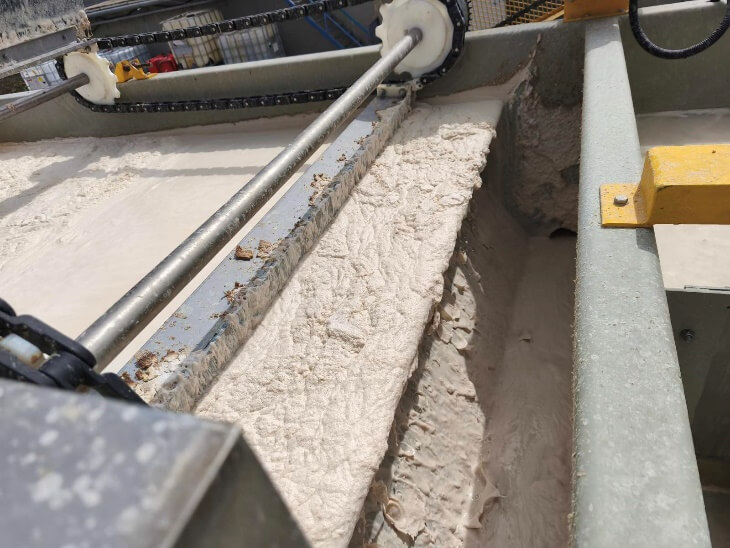
Fat, Oil and Grease removal from the DAF system
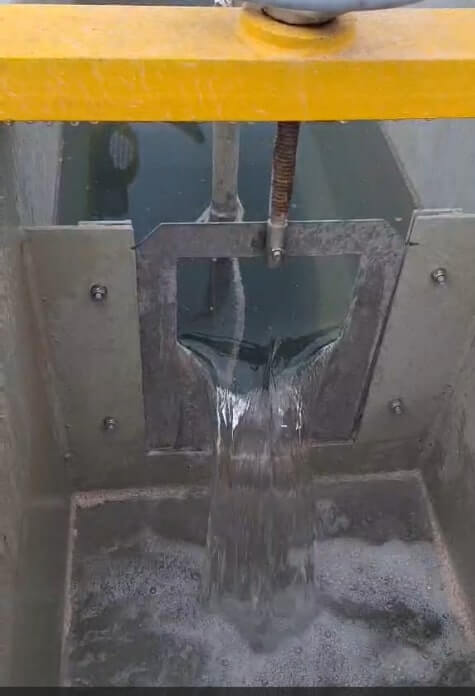
Water at the DAF outlet
Sludge Dewatering is a critical step in wastewater treatment, as it reduces the volume of sludge, making it easier to manage, transport, and dispose of. To achieve this, the following equipment and products provided by ENVI-CHEM are used:
•Screw presses
•Plate and frame filter presses
•Big bags (90 cm x 90 cm x 120 cm height), made of non-woven fabric or mesh
The choice of the appropriate method depends on the type of sludge, the required level of dewatering, and the final use or disposal method of the sludge.
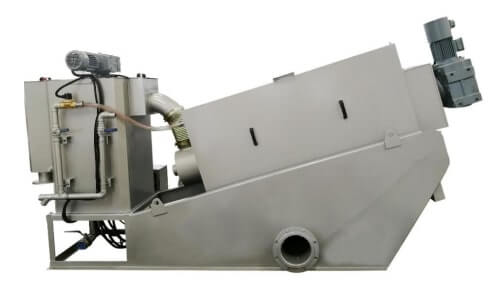
Screw press
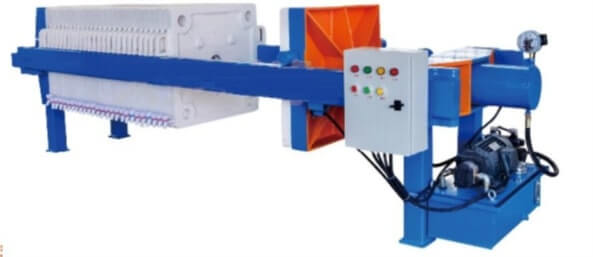
Plate and Frame Filter Presses
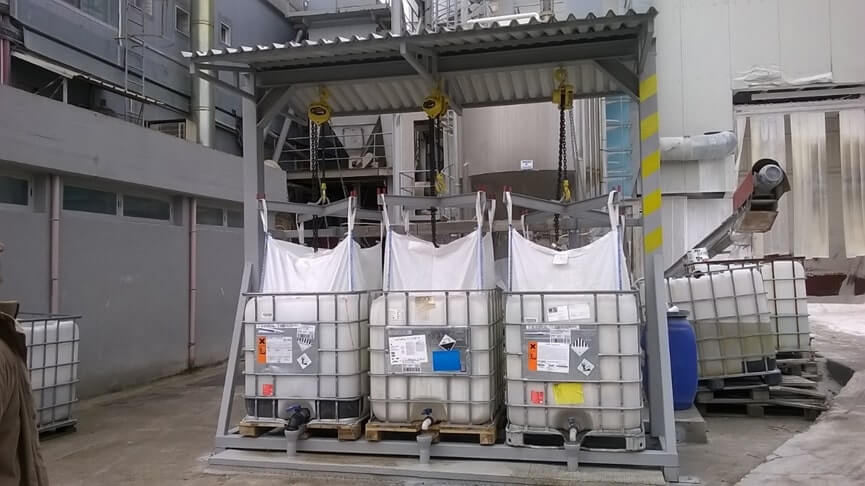
Big bags
They are systems which operate at the optimal conditions for preparing flocculant solutions. They feature a conical tank where powdered polymer is dispensed. Through a vibration mechanism, the entire quantity is fed into the interior of the unit. Finally, clean water is added using a dosing pump, allowing precise control and adjustment of the concentration of the final flocculant solution.
Sand Filters are removing suspended solids from wastewater. The suspended solids are filtered through quartz media with a grain size of 0.4–6 mm, inside specially designed tanks. The media is arranged in multiple layers according to grain size. The operation of the treatment system is ensured by an integrated automation system.
Activated carbon filters are used to absorb the dissolved organic load in wastewater thanks to the porous surface of the carbon particles. These filters effectively remove organic compounds, odors, color, and residual chemicals by trapping them within the extensive internal surface area of the activated carbon. This process contributes to the reduction of COD and BOD, and to the overall improvement of wastewater quality.
Oil Skimmers are oil separators available in various sizes and capacities. The immediate separation of the oily phase from the aqueous phase prevents the emulsification or solidification of fats upon cooling, thereby reducing the overall wastewater treatment cost. These units are constructed from materials resistant to both oxidative and corrosive conditions, resulting in a long service life and reduced maintenance costs.